


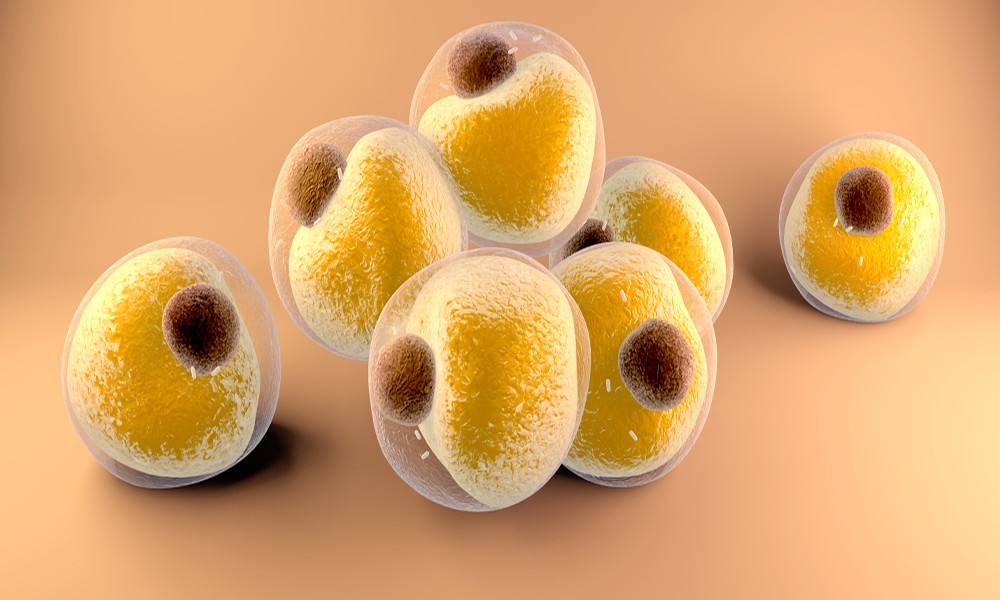
Weight gain rarely happens overnight. In many cases, small biological changes build up quietly over time. One of the biggest players in this process is body fat. Yet fat cells do far more than store extra calories. They communicate with hormones, influence inflammation, affect energy levels, and even shape long-term metabolic health.
Researchers now view body fat as an active tissue rather than a passive storage system. This shift has changed the way health experts approach weight management, aging, recovery, and wellness. Interest has also grown around supportive wellness technologies like Celluma Red Light Therapy, especially in discussions about circulation, skin health, and cellular activity connected to overall body function.
Understanding how fat cells behave can help people make smarter lifestyle choices without falling for quick-fix trends.
Key Takeaways
- Fat cells actively influence hormones, metabolism, and inflammation.
- Different types of body fat affect health in different ways.
- Chronic stress and poor sleep can increase fat storage.
- Healthy movement and nutrition improve how fat cells function.
- Wellness technologies like light therapy continue to gain research attention for their role in supporting recovery and cellular health.
- Sustainable habits matter more than extreme dieting.
Fat Cells Are More Active Than Most People Think
For years, people viewed fat as unwanted weight sitting under the skin. Science tells a different story today.
Fat cells constantly send signals throughout the body. They release hormones and chemical messengers that influence hunger, insulin sensitivity, energy use, and inflammation. When fat cells stay balanced, they help regulate normal body function. Problems often begin when these cells expand too much or become stressed.
Large fat cells may struggle to store energy properly. As a result, the body can experience increased inflammation and disrupted metabolic activity. This explains why weight-related concerns often connect to broader health issues rather than appearance alone.
Researchers have also found that fat tissue interacts closely with the immune system. That relationship plays a major role in wellness and recovery.
Not All Body Fat Works the Same Way
The body stores fat in different locations, and each type behaves differently.
Subcutaneous Fat
This fat sits directly under the skin. It appears around the hips, thighs, arms, and stomach. In moderate amounts, it serves important functions like insulation and energy storage.
Visceral Fat
This type surrounds internal organs deep inside the abdomen. Excess visceral fat raises more health concerns because it links strongly to metabolic dysfunction, cardiovascular problems, and insulin resistance.
Even people who appear slim can carry unhealthy levels of visceral fat. That is why overall wellness matters more than a number on the scale.
Why Fat Cells Expand
Fat cells grow when the body consistently stores more energy than it burns. However, overeating is only part of the story.
Several lifestyle factors influence fat storage:
- Poor sleep quality
- High stress levels
- Limited physical activity
- Hormonal imbalance
- Ultra-processed diets
- Long-term inflammation
Stress deserves special attention. Chronic stress increases cortisol levels, which may encourage abdominal fat storage over time. Sleep deprivation creates similar problems by disrupting hunger hormones and increasing cravings for high-calorie foods.
Modern lifestyles often create the perfect environment for fat accumulation without people realizing it.
The Connection between Fat Cells and Inflammation
Inflammation acts like the body’s internal alarm system. Short-term inflammation helps healing, but long-term inflammation can create serious health problems.
Overloaded fat cells may release inflammatory compounds that place stress on tissues and organs. This low-grade inflammation often develops quietly and may continue for years before symptoms appear.
Scientists continue studying how chronic inflammation contributes to:
- Metabolic disorders
- Joint discomfort
- Fatigue
- Cardiovascular disease
- Reduced insulin sensitivity
This research has encouraged more wellness professionals to focus on reducing inflammatory triggers through nutrition, sleep, exercise, and recovery support.
Can Fat Cells Shrink?
Yes, fat cells can shrink when the body uses stored energy. However, fat cells themselves do not completely disappear naturally. They simply become smaller.
This explains why maintaining weight loss often requires long-term consistency. If old habits return, fat cells can expand again.
Extreme dieting usually fails because it pushes the body into survival mode. Many people regain weight quickly after restrictive plans because those methods ignore sustainability.
Instead, experts recommend gradual lifestyle improvements such as:
- Strength training
- Daily movement
- Balanced protein intake
- Fiber-rich foods
- Stress management
- Better sleep habits
These habits support healthier metabolic function without forcing the body into extreme cycles.
Where Light Therapy Fits into Wellness Conversations
Interest in non-invasive wellness approaches has expanded in recent years. One growing area involves light-based therapies designed to support cellular activity and recovery.
Discussions around Celluma Red Light Therapy often focus on how specific wavelengths of light may support circulation, tissue recovery, skin appearance, and overall cellular function. Researchers continue exploring how red light interacts with mitochondria, which help produce cellular energy.
While light therapy should not replace medical treatment or healthy lifestyle habits, some studies suggest it may complement broader wellness routines when used responsibly.
Fat Health Matters More Than Fat Loss
The conversation around weight often focuses only on shrinking the body. Modern research points toward a more balanced perspective.
Healthy fat tissue supports hormone balance, insulation, energy regulation, and recovery. Problems usually develop when fat cells become overloaded and dysfunctional.
This shift in understanding encourages people to focus less on rapid weight loss and more on sustainable health markers like:
That approach creates healthier long-term outcomes without unrealistic expectations.
Final Thoughts
Fat cells influence far more than body shape. They communicate with hormones, interact with the immune system, and affect overall wellness in ways researchers still continue to explore.
Small daily habits shape how these cells behave over time. Better sleep, movement, balanced nutrition, and stress control all contribute to healthier metabolic function.
The science of fat tissue keeps evolving, and that research continues to reshape how people think about weight and wellness. Instead of chasing short-term fixes, many health experts now encourage sustainable routines that support the body at a deeper cellular level.