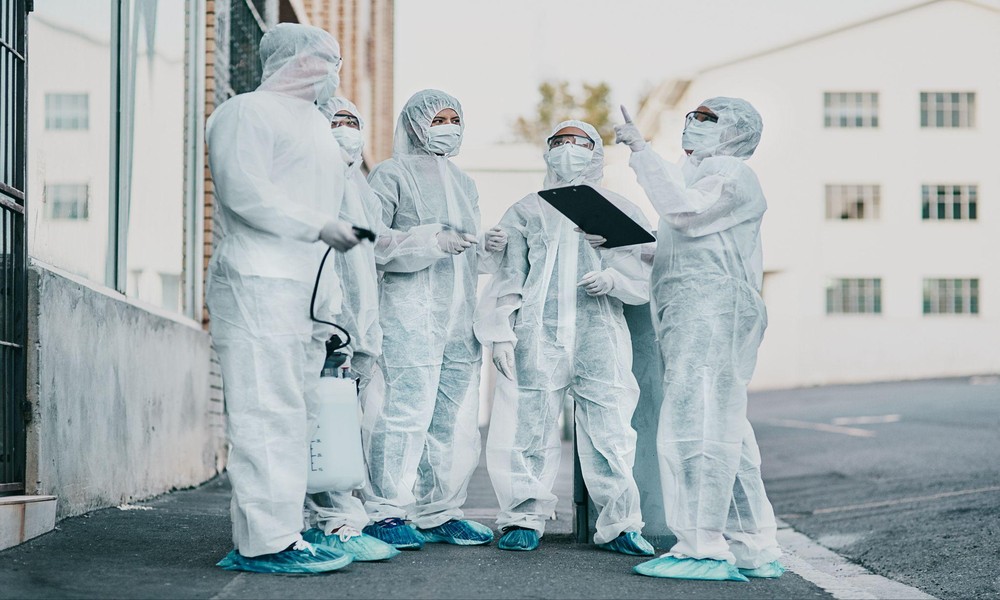
Key Takeaways
- Strict regulations govern hazardous environments, but unexpected contamination does not always follow predictable procedures.
- Bio-decontamination services help organisations restore safety when biological hazards threaten operations or public health.
- A professional decontamination company balances regulatory compliance with practical response strategies during complex incidents.
- Understanding how decontamination works helps businesses act quickly without disrupting safety standards.
Introduction
Contamination events require immediate action. When incidents occur, organisations must follow safety rules while also restoring operational spaces quickly. This is where bio-decontamination services address contamination risks while ensuring that regulatory requirements remain intact. A professional decontamination company acts as both a technical specialist and a compliance partner. Understanding how these services operate can help organisations respond effectively when procedures alone are not enough.
Why Decontamination Rules Exist in the First Place
Biological hazards such as bacteria, mould, or infectious agents can spread through air systems, surfaces, and equipment if left untreated. Industrial contamination may also affect sensitive machinery or sterile environments. In practice, bio-decontamination services follow these standards while implementing specialised cleaning and sterilisation techniques. A trained decontamination company evaluates the contamination source, determines the affected areas, and then designs a structured cleaning approach. These processes ensure that contamination does not spread further while restoring a safe environment for employees and equipment.
When Rules Get in the Way of Immediate Action
Waiting for multiple approvals before taking action could extend downtime or increase exposure risks. In these moments, experienced bio-decontamination services help organisations navigate regulatory frameworks without delaying response efforts. Instead of ignoring safety requirements, specialists understand how to implement emergency protocols that remain compliant with health and safety guidelines. A professional decontamination company typically works alongside facility managers and safety officers to ensure that every step meets required standards.
The Science Behind Bio-Decontamination
Bio decontamination refers to the removal or neutralisation of biological contaminants from surfaces, air systems, and equipment. The process relies on scientific methods designed to eliminate harmful microorganisms. One commonly used technique involves controlled disinfectant fogging or vapour systems that distribute sterilising agents across contaminated areas. In addition, bio-decontamination services may involve manual cleaning, surface disinfection, and waste removal. A specialised decontamination company evaluates factors such as contamination type, environmental conditions, and facility layout before selecting the appropriate approach.
Balancing Safety, Downtime, and Operational Pressure
Facilities such as hospitals, laboratories, and industrial plants operate under tight schedules. When contamination occurs, shutting down operations entirely may not always be feasible. Experienced bio-decontamination services address this challenge by creating controlled cleaning zones. A professional decontamination company may also conduct staged decontamination processes, cleaning different areas sequentially to minimise disruption. This strategy allows organisations to maintain essential activities while addressing contamination risks.
The Hidden Complexity of Industrial Decontamination
Manufacturing plants, food processing facilities, and research laboratories may encounter contamination that affects equipment, products, or air quality. Contaminants may infiltrate machinery components, duct systems, or sensitive production equipment. Specialised techniques are required to prevent damage while ensuring complete decontamination. In these scenarios, bio-decontamination services integrate technical cleaning methods with equipment protection strategies. These verification steps confirm that contamination levels have been reduced to acceptable safety thresholds before operations resume.
Compliance Without Complication
Organisations sometimes assume that working with a decontamination specialist means navigating complex paperwork or extended approval processes. Experienced bio-decontamination services understand regulatory frameworks and documentation requirements. They help facilities maintain compliance while reducing the administrative burden on internal teams. A knowledgeable decontamination company also documents each stage of the decontamination process. Such documentation helps organisations demonstrate regulatory compliance during inspections or audits.
Why Preparation Matters Before a Crisis
One of the most valuable insights organisations can adopt is preparation before contamination occurs. Many facilities focus on response strategies but overlook preventative planning. Working with a decontamination company before incidents occur can help organisations establish contingency plans. These plans outline response procedures, safety protocols, and communication strategies in the event of contamination. Similarly, understanding the role of bio-decontamination services allows facility managers to act quickly during emergencies. Preparedness reduces uncertainty, improves safety outcomes, and shortens recovery times.
Conclusion
Regulations exist for an important reason: they protect people, equipment, and environments from serious contamination risks. By combining scientific cleaning techniques with regulatory knowledge, the bio-decontamination services help organisations restore safety while maintaining compliance. A professional decontamination company acts as a partner during complex situations, guiding facilities through both technical and operational challenges. Organisations exploring ways to strengthen their safety preparedness may find it worthwhile to review how industrial decontamination specialists approach complex environments. Sometimes the best way to manage strict regulations is to work with experts who already understand how to navigate them.
To learn how professional industrial decontamination works in real-world scenarios, check out BELFOR Singapore today to learn more.