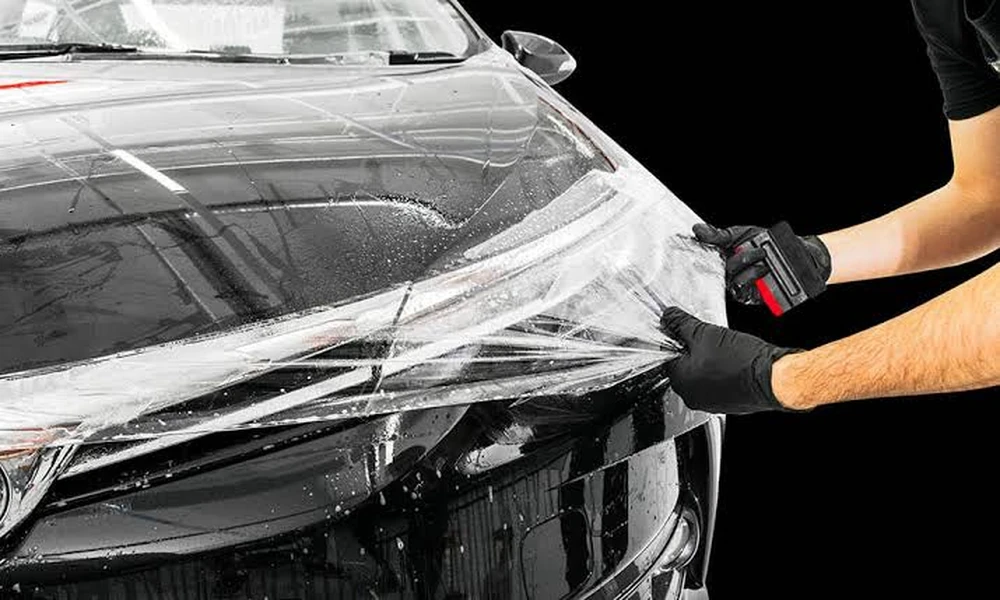
Parking spaces create small paint hazards every day. Door edges, carts, and tight garages create contact points. Quality PPF installation San Leandro gives vulnerable panels a transparent protective layer. Paint protection film absorbs light abrasion before painted surfaces suffer visible marks. Proper coverage also preserves factory paint appearance while reducing repair concerns. The right film choice depends on parking habits, panel exposure, and installation quality.
Paint Protection Film Takes The Impact
Parking scuffs rarely come from dramatic collisions. A swinging door can strike a neighboring fender. A shopping cart may brush the bumper edge. PPF adds a sacrificial surface between contact and factory paint. Film thickness helps disperse minor force across the protected area.
Which Panels Face Parking Damage?
Not every body panel carries equal exposure. Lower doors, bumper corners, mirrors, and rocker panels face frequent contact. Coverage should follow real parking conditions rather than appearance alone.
- Door edges face careless opening impacts.
- Bumper corners catch tight-space contact.
- Mirrors meet passing objects and carts.
- Rocker panels collect low-angle abrasion.
Targeted protection can make sense for frequently exposed sections. Full-front coverage suits vehicles facing heavier road exposure.
Does Installation Quality Affect Protection?
Film performance depends heavily on precise installation. PPF installation San Leandro requires careful panel preparation, controlled film positioning, and clean edge finishing. Poor alignment can leave exposed paint along vulnerable borders. Trapped debris may also create visible imperfections beneath transparent material.
Experienced installers account for panel contours before cutting. Heat helps conform film around complex curves. Correct tension prevents lifting near edges and corners. Clean preparation remains essential for reliable adhesion.
Why Does Film Hide Minor Marks?
Modern paint protection film can reduce the visual impact of light scratches. Certain films use self-healing top layers that respond to controlled heat. Warm sunlight or gentle heat can help shallow surface marks diminish.
The mechanism matters because parking scuffs often affect film surfaces first. Paint remains separated from direct abrasion. However, deep gouges can still penetrate protective material. PPF is a barrier, not an indestructible shell.
What Makes Daily Parking Safer?
Protection works best when film coverage matches routine exposure. A vehicle parked beside crowded shopping spaces faces different risks than one kept indoors. Parking technique still matters, even with protective film installed.
- Wider spaces reduce door-contact opportunities.
- End spaces can limit neighboring vehicle exposure.
- Careful cart placement protects bumper corners.
- Garage clearance prevents accidental wall contact.
- Door opening restraint reduces edge strikes.
These habits complement PPF rather than replacing it. Small behavioral changes can extend film service life.
Clear Film Can Preserve Factory Paint
Factory paint carries value beyond appearance. Original finishes can support resale appeal and reduce cosmetic correction needs. PPF creates another layer that can absorb everyday parking wear. When replacement eventually becomes necessary, the film can be removed while preserving protected paint beneath.
That distinction changes the repair equation. A scratched film section may require replacement, not bodywork. The protected panel retains its original finish instead of receiving fresh paint.
A Scuffed Film Can Save Paint
A bumper corner may meet a shopping cart once. Without protection, that moment can become a paint repair. With PPF, the same contact may leave only a replaceable film mark. The larger benefit is control: the vehicle’s original finish remains beneath a sacrificial layer, turning an unpredictable parking mishap into a manageable maintenance issue.