Key Takeaways
- Sintered stone resists heat, scratches, and stains for daily use.
- Its slim profile suits modern interiors without compromising strength.
- The material supports long-term durability with minimal maintenance.
Introduction
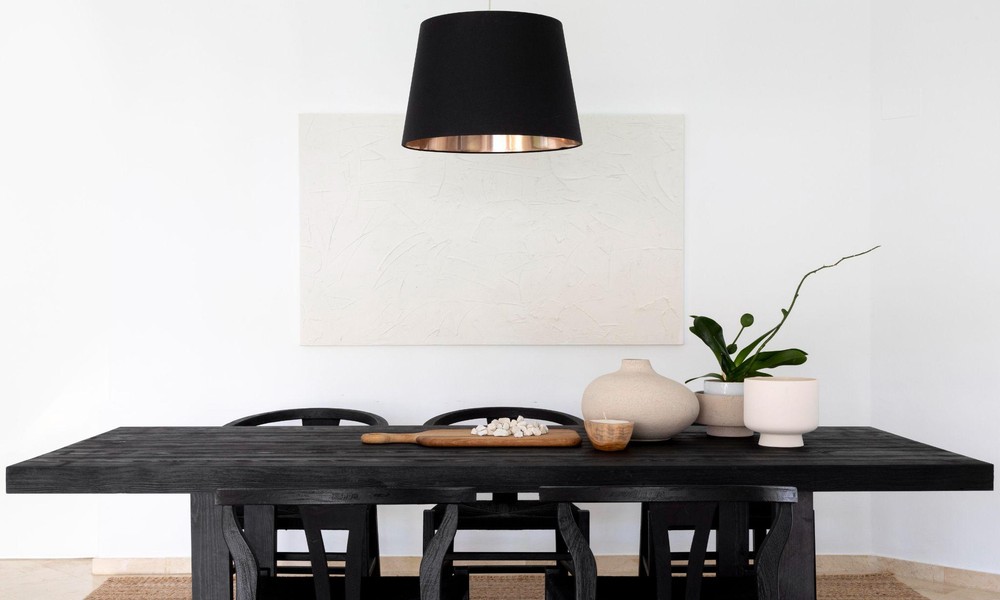
Choosing a sintered stone dining table has become a defining decision for homeowners in Singapore who are exploring designer furniture, particularly as living spaces shift towards cleaner layouts and prioritise long-term durability. Dining areas now serve multiple purposes, from shared meals to work and social gatherings, which places greater demands on surface materials. Many homeowners want a table that maintains its appearance despite daily use while fitting seamlessly into a modern interior. As expectations change, sintered stone has emerged as a material that balances practicality with visual appeal, making it a strong contender for contemporary homes.
1. Resistance to Daily Wear and Heat
Dining tables experience constant exposure to heat, spills, and surface pressure, which can gradually affect their condition. Sintered stone handles these challenges by maintaining its structure even under high temperatures and repeated use. This makes it suitable for households where meals and activities often overlap, as the surface remains stable without requiring protective layers. Over time, this resistance reduces the need for repairs or replacements, which supports consistent usability.
2. Slim Profiles for Modern Interiors
Interior preferences have moved towards lighter and more refined forms, which influences how furniture fits into a space. Sintered stone supports thinner tabletops without compromising strength, allowing designers to achieve a streamlined look. This feature aligns well with compact layouts where bulky furniture can disrupt flow. A slimmer table profile also creates a more open visual environment, which enhances how the dining area integrates with surrounding spaces.
3. Hygienic Surface for Everyday Use
Material composition affects how easily a surface can be maintained, especially in areas where food is prepared or served. Sintered stone offers a non-porous surface that limits absorption, which helps maintain cleanliness during regular use. This quality reduces the effort required for upkeep, as spills can be managed without leaving lasting marks. For households that prioritise hygiene, the material supports a cleaner environment without additional treatments.
4. Wide Range of Design Finishes
Visual consistency plays a significant role in interior design, and material flexibility allows homeowners to achieve their preferred aesthetic. Sintered stone can replicate a variety of textures and finishes, which makes it adaptable to different styles. Whether the goal involves a natural stone appearance or a more industrial look, the material provides options that integrate with existing decor. This versatility allows the dining table to complement rather than dominate the space.
5. Resistance to Staining and Discolouration
Dining surfaces frequently come into contact with liquids that can leave marks on less durable materials. Sintered stone resists staining by preventing liquids from penetrating its surface, which helps preserve its original appearance. It reduces the need for specialised cleaning products and ongoing maintenance. As a result, homeowners can maintain a consistent look over time without frequent adjustments or refinishing.
6. Long-Term Value Through Durability
Furniture choices often reflect long-term planning, particularly when durability influences replacement cycles. Sintered stone offers a level of resilience that supports extended use without significant deterioration. This durability aligns with sustainability considerations, as fewer replacements reduce material waste over time. For homeowners seeking reliable designer furniture in Singapore, the material provides a balance between initial investment and long-term performance.
Conclusion
The choice of materials has a significant impact on how a dining area performs over time, particularly when use goes beyond infrequent meals. This change is aided by the durability and versatility of sintered stone in contemporary interior design. The material offers a stable foundation that fits with changing lifestyles when homeowners take into account both present needs and future use.
To find sintered stone dining tables that complement your contemporary house, get in touch with Cellini Design Center.