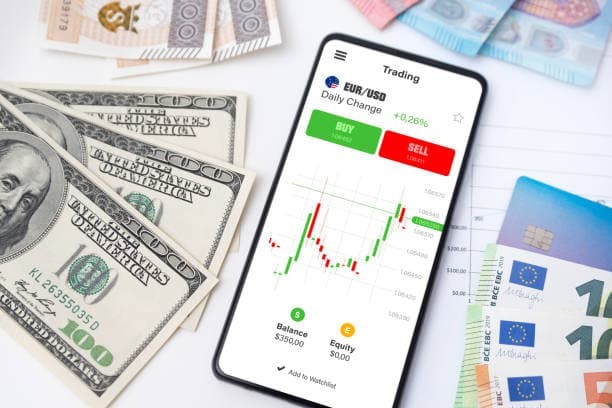
Each day, the global markets pulse with life, as traders from every corner of the globe engage in the intricate dance of buying and selling. Amidst this whirlwind of activity, the art of Forex trading stands out, a discipline that requires a unique set of skills to master. Let’s embark on a journey to uncover the market trading skills every Forex trader should develop, diving deep into the nuances that can turn a novice into a seasoned professional.
The Art of Patience and Discipline
Patience and discipline are not just virtues; they are the cornerstones of successful Forex trading. The global markets are a sea of opportunities, but they also harbor the potential for losses. A trader must learn to wait for the right moment to enter or exit a trade, resisting the urge to act on every market fluctuation. Discipline ensures that a trader sticks to their trading plan, avoiding the pitfalls of emotional decision-making.
The ebb and flow of the Forex market can be mesmerizing, but it’s crucial to maintain a cool head. Patience allows traders to observe market trends and make calculated decisions, rather than reacting impulsively to short-term market movements. Developing these skills means understanding that sometimes, the best move is no move at all.
Mastering the Language of the Markets
Every market has its own language, and the Forex market is no exception. Traders must become fluent in the terminology and jargon that define this global marketplace. Understanding the basics of currency pairs, pip values, leverage, and order types is essential. As you navigate through the Forex trading landscape, you’ll encounter a plethora of acronyms and terms that can seem daunting at first. But with time and practice, these will become second nature, allowing you to communicate effectively within the trading community and make informed decisions.
The language of the markets is not just about understanding terms; it’s also about interpreting market signals and economic indicators. Traders must learn to read and analyze economic calendars, central bank announcements, and geopolitical events that can influence currency values. This knowledge is crucial for making strategic decisions in the Forex market.
Embracing the Power of Technology
In today’s digital age, technology plays a significant role in Forex trading. Traders have access to a plethora of tools and platforms that can simplify the trading process and provide valuable insights. From charting software to algorithmic trading systems, technology can be a trader’s best friend. Embracing these tools means staying ahead of the curve and making data-driven decisions.
However, it’s important to remember that technology is a tool, not a crutch. While it can provide valuable insights, it cannot replace the need for a solid understanding of market dynamics and the ability to make sound trading decisions. Traders must learn to use technology as an extension of their skills, not a replacement for them.
Risk Management: The Lifeline of Forex Trading
Risk management is the lifeline of Forex trading (In Arabic, it is called “تداول الفوركس“). It’s the skill that can make or break a trader’s career. Understanding how to manage risk involves setting stop-loss orders, calculating position sizes, and diversifying your portfolio. It’s about knowing when to cut your losses and when to let your profits run.
In the volatile world of Forex trading, risk management is not an option; it’s a necessity. A trader who neglects this aspect is likely to face significant financial setbacks. Developing a robust risk management strategy is key to long-term success in the Forex market.
The Importance of Continuous Learning
The Forex market is constantly evolving, and so should a trader’s knowledge base. Continuous learning is a skill in itself, as it involves staying updated with market trends, understanding new trading strategies, and adapting to changes in global economic policies.
Traders must be willing to invest time in their education, attending webinars, reading market analysis, and participating in trading communities. This ongoing learning process not only enhances a trader’s skills but also helps in building a network of fellow traders and mentors.
Developing a Trading Philosophy
Every successful trader has a trading philosophy that guides their decisions. This philosophy is a reflection of their understanding of the markets, their risk tolerance, and their trading goals. Developing a trading philosophy involves defining what you stand to gain and what you are willing to risk in the pursuit of those gains.
Your trading philosophy will evolve over time as you gain experience and refine your approach. It’s a personal compass that helps you navigate the tumultuous seas of the Forex market, ensuring that you stay true to your trading principles.
Reading the Market Sentiment
Market sentiment is the collective attitude of traders towards a particular asset or the market (In Arabic, it is called “الاسواق العالمية“) as a whole. It can be a powerful indicator of future price movements. Understanding market sentiment involves analyzing trader behavior, social media chatter, and news headlines that can influence public perception.
In the Forex market, sentiment can shift rapidly, and being able to read these changes is crucial. A trader who can accurately gauge market sentiment can anticipate market movements and position themselves accordingly.
The Art of Adaptability
The Forex market is inherently dynamic, and so must be the traders who wish to succeed within it. Adaptability is the ability to adjust your trading strategy in response to changing market conditions. It’s about being flexible and willing to pivot when faced with new information or unexpected market shifts.
An adaptable trader is not wedded to a single strategy or approach. They are open to new ideas and willing to modify their tactics as needed. This flexibility is a key skill in navigating the ever-changing landscape of the Forex market.
Conclusion
The journey of a Forex trader is a marathon, not a sprint. It requires patience, discipline, a deep understanding of the markets, and the ability to adapt to changing conditions. By developing these skills, traders can navigate the complexities of the global markets and find success in the world of Forex trading. Remember, the markets are always moving, and so should your skills and strategies. Stay curious, stay adaptable, and stay ahead in the game.
FAQ
Which platforms offer online trading for Forex and Gold CFDs?
Markets.com is a licensed online trading platform specializing in Forex and Gold CFDs, offering a simple and secure environment for financial trading. Trade CFDs on a wide range of assets including Forex, Shares, Commodities, Indices, and ETFs today.
What markets can I trade with TradingView?
Utilizing Markets.com on TradingView allows you the flexibility to take both long and short positions in Contracts for Difference (CFDs) across a vast array of more than 3,700 markets. This comprehensive selection encompasses stocks, equities, indices, and forex.
What is CFD Bond Trading and how to access it online?
Get exposure to CFDs on the major government bonds by opening a leveraged position through our markets.com platform. Our wide range of bonds will let you speculate on the price of the bond without owning the instrument itself. Take a long or short position, and adjust your order easily through Markets.com mobile app, webtrader and/or MT4/5.